
Eon Aligner’s 50% Protocol Explained: Real Case-Study
Written by Dr. Lana Gharaibeh D.D.S

Introduction
Aligners initially entered the market to treat mild to moderate cases and were expected to perform smaller movements like tipping or minor rotations. Fixed braces were the preferred method for more complex cases. [1] However, the development of different attachments and auxiliaries have now enabled aligners to treat more complex cases and perform more major movements. Also, the continuous development of clinical protocols, including Eon Aligner’s the 50% protocol which will be covered in this blog, and the data-driven studies on biomechanics and treatment planning have made this evolution possible.
What is Eon Aligner’s 50% Protocol?
The staging protocol of 50% is characterized by a sequential movement of teeth, where one tooth starts moving after the previous tooth achieves 50% of the prescribed movement, i.e., the first molar starts to distalize when the second molar reaches 50% of its distalization. This process keeps repeating until reaching the canine, where lastly, en masse retraction of the incisors is initiated. [2] In some cases, if the doctor wants to reduce the number of steps, it may be possible to retract the canines along with the incisors. To see how the protocol is applied in practice, watch the video below which demonstrates the treatment setup of a case discussed later in this blog.
.gif)
Step-by-Step Guide: 50% Protocol
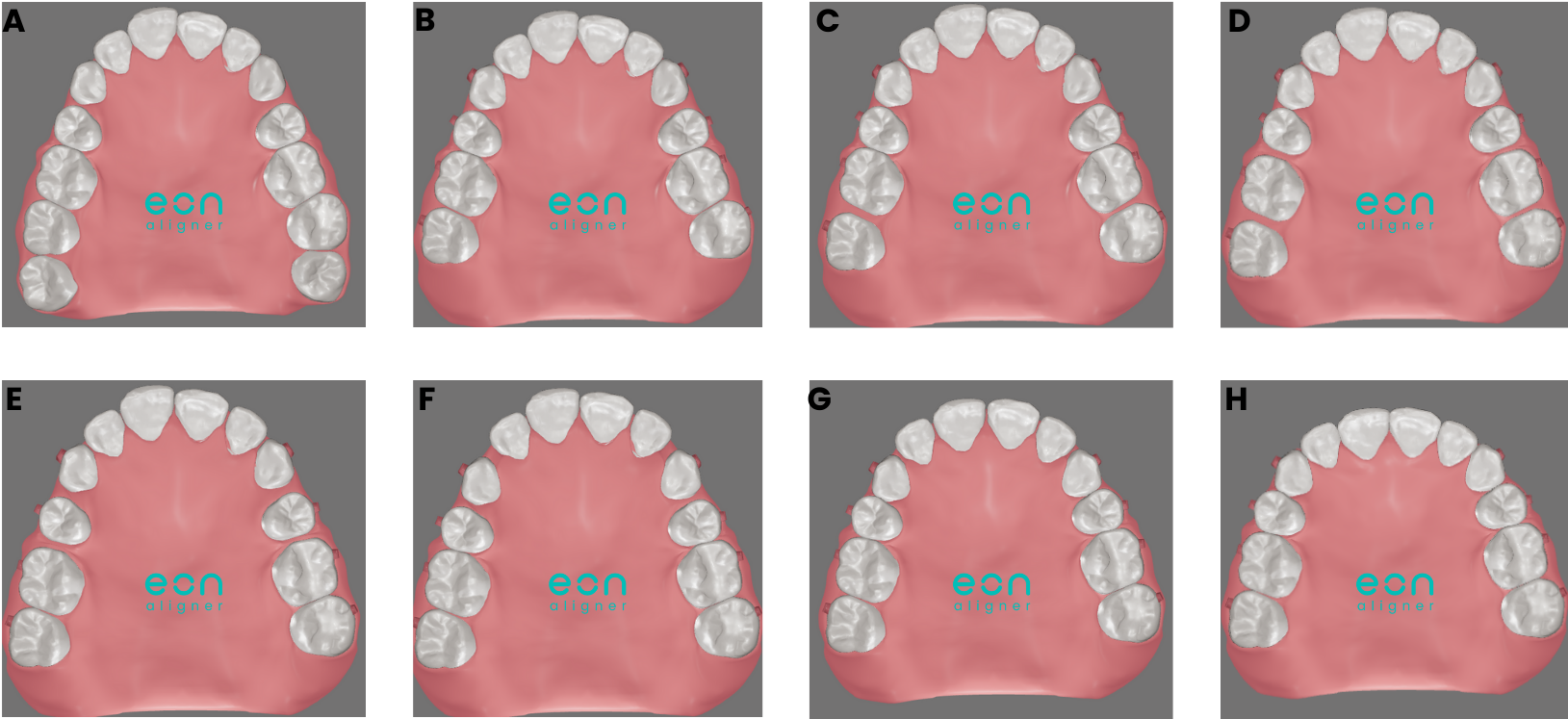
As seen in figure 1; the steps are as follows:
A: Initial Scan (Step 0) – The wisdoms are still present. First premolars previously extracted by another orthodontist.
B: Step 1 – Extracted upper wisdoms to start 50% distalization protocol in the upper arch and the second molars start distalizing.
C: The second molars reach 50% of their desired position, that is when the first molars can start distalizing.
D: The second molars have reached their final position, the first molars have reached 50% of their desired position. The second premolars can now start distalizing.
E: The first molars have reached their final position, the second premolars have reached 50% of their desired position. The canines can now start distalizing.
F: The canines have reached their final position, en masse retraction of the incisors can now start.
E: En masse retraction of the incisors.
G: Final step.
Attachments & Auxiliaries Recommended in the 50% Protocol
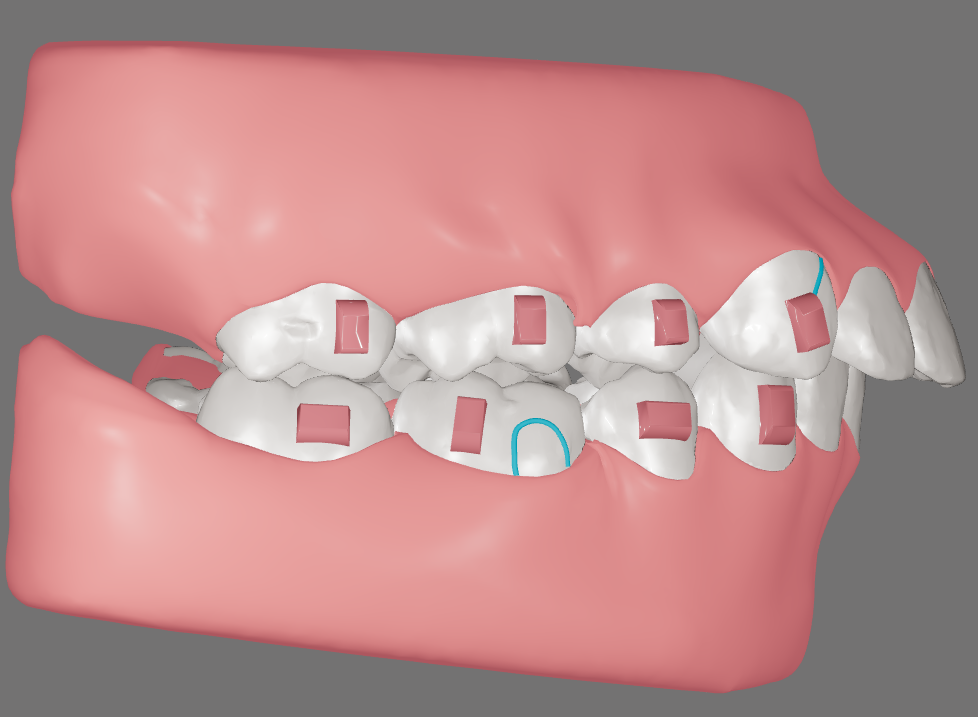
In cases utilizing the 50% protocol when distalizing, it is recommended to extract the third molars, to take advantage of the rapid acceleratory phenomenon, which leads to rapid bone remodeling, facilitating distalization. [3] Also, it is important to add vertical beveled rectangular attachments to the teeth included in distalization or mesialization to make the movement more predictable. Auxiliaries including elastics or TADs may be recommended depending on the amount of translational movement required and to provide anchorage. [Figure 2 ]Moreover, patients should be instructed to wear the aligners at least 22 hours per day, with emphasis on the importance of their commitment to the wear cycle. [4]
To read about a case treated using the 50% protocol and the introduction of TADs, we recommend the article “Optimizing complex tooth movements with clear aligners: The role of temporary anchorage devices in molar uprighting and distalization – A Case Series” by Mohamad Al Husini and Bhadrinath Srinivasan in Seminars in Orthodontics. [5]
Why was the 50% Protocol Introduced?
The primary indication for using the 50% protocol in treatment planning is the correction of anteroposterior (AP) discrepancies, such as Class II or Class III malocclusions, while preserving anchorage and minimizing unwanted reciprocal tooth movement. In this protocol, posterior teeth are distalized or mesialized sequentially rather than en masse, limiting the number of teeth actively moving at any given time. This staged approach maintains a larger anchorage unit throughout treatment and reduces the risk of reciprocal movement in the anterior segment. In contrast, en-masse posterior movement increases the likelihood of anterior anchorage loss. Therefore, sequential staging using the 50% protocol improves the predictability of sagittal correction by controlling anchorage and reducing undesirable anterior tooth movement. [6]
Case Study: How Eon Aligner's 50% Protocol Delivered a More Predictable Outcome
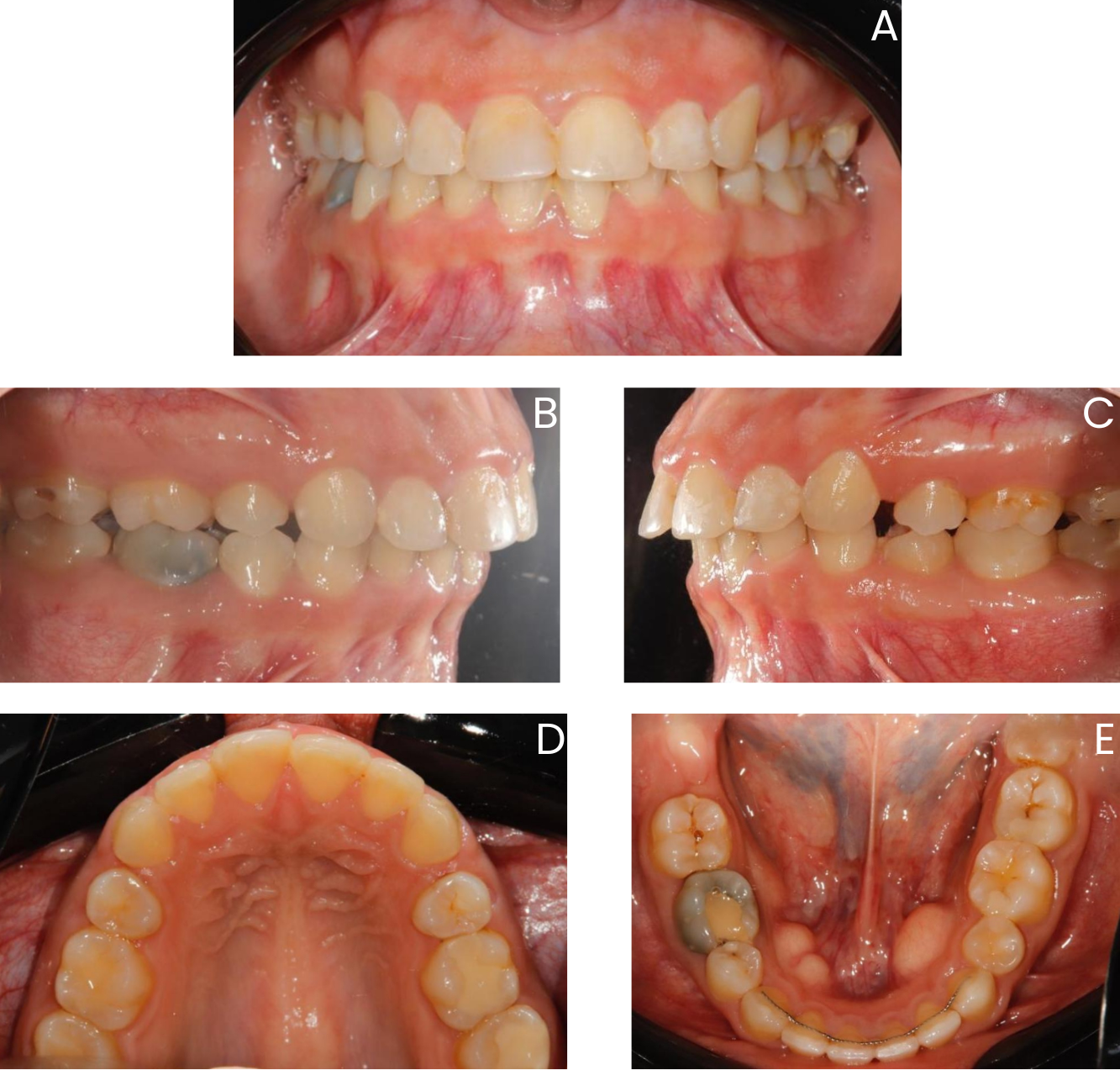
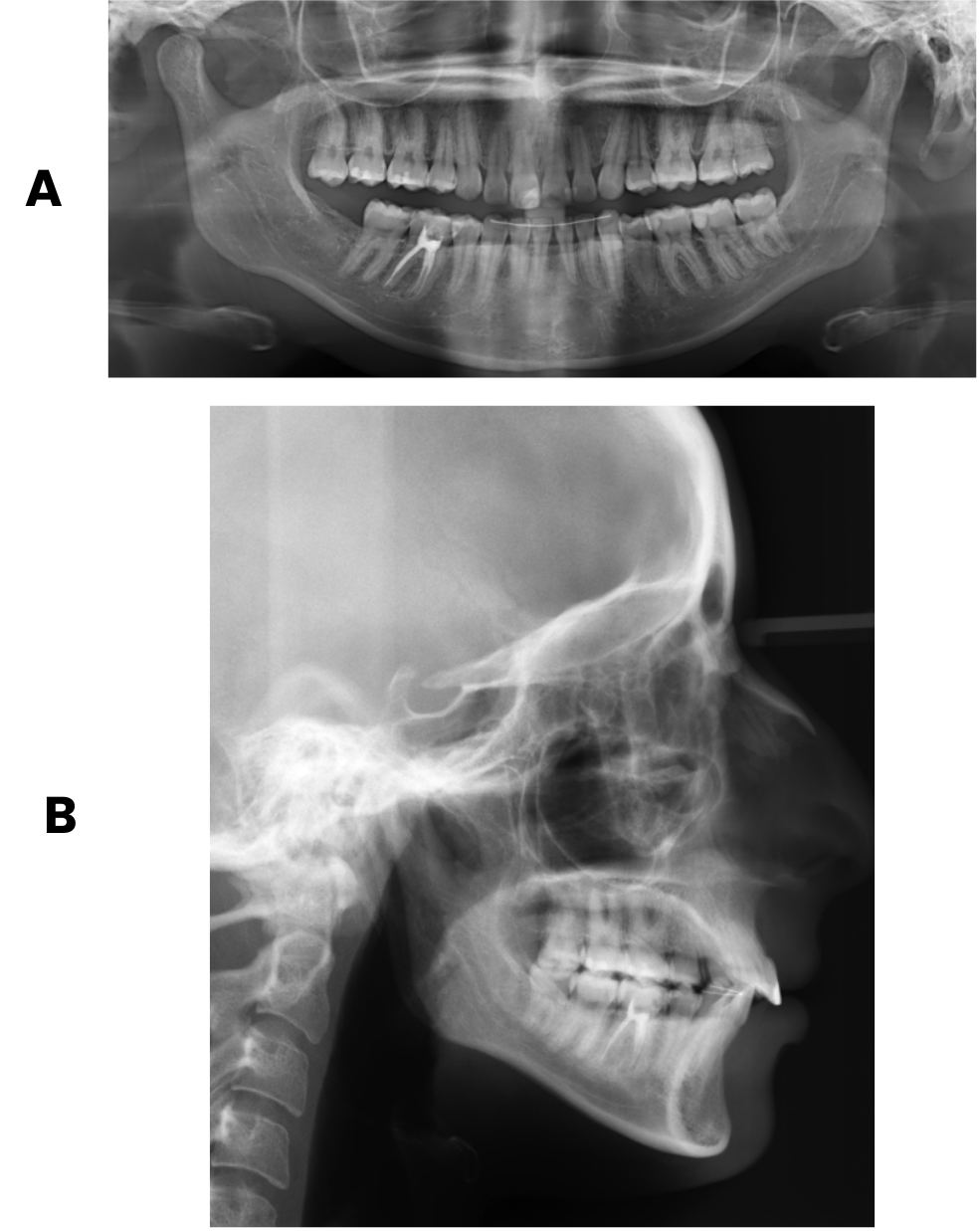
An adult female patient presented with a chief complaint of protrusion of the upper arch. This case was treated with Eon Aligner by Dr. Momen Allababidi where he requested to distalize the upper arch. Some of the other discrepancies present include: a half-unit Class II relationship, spacing, and an increased overjet, as shown in Figure 3 and Figure 4. It also appears that the patient has had previous orthodontic treatment, hence the 4-unit premolar extractions and fixed lingual retainers in the lower arch.
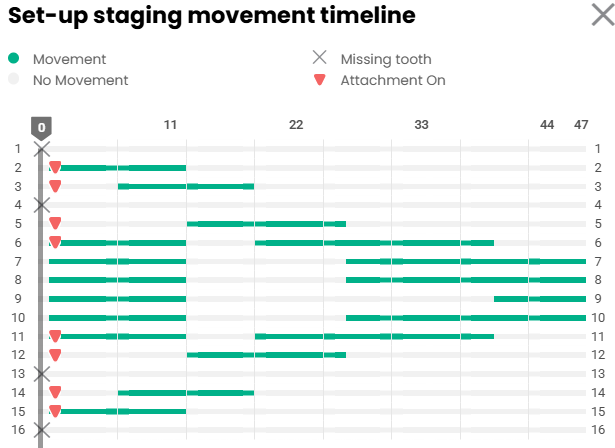
The goal in this case was clear: retract and distalize the upper arch, reduce the overjet and close the spaces. As noted by Dr. Allababidi, the ideal treatment option for this case would be the distalization of the upper arch using the 50% protocol. The treatment duration for this case was 11 months. It included 47 steps in the upper arch and 32 steps in the lower arch with a 1-week wear cycle.
The doctor extracted both the right and left upper third molars to achieve a more predictable distalization process. The case also included Class II elastics on both the right and left sides. The rationale behind the use of elastics is to aid the distalization process and make it more predictable while also providing a source of anchorage. IPR was also included in the case mainly in the anterior area in the lower arch. This was necessary because the amount of maxillary distalization and retraction would otherwise result in interferences with the mandibular arch. Therefore, slight retraction of the lower anterior teeth was planned to prevent these interferences. Finally, as previously mentioned, vertical beveled rectangular attachments (VBRA) were placed from the upper canine to the upper second molar on both sides.
The detailed staging of the movements and their timeline for the maxillary arch is shown in figure 5.

As shown in Figure 6, the protrusion in the upper arch was corrected, the overjet was reduced, and the spaces were successfully closed. Most importantly, a Class I canine and molar relationship was achieved. These outcomes were the result of optimized treatment planning and appropriate use of the 50% protocol. While such results were once considered difficult to achieve with clear aligners alone, this case demonstrates that with accurate staging and adherence to clinical protocols, aligners are now capable of producing more complex and predictable tooth movements.
To watch the video for this case's treatment setup, scroll back up to the “What Is Eon Aligner’s 50% Protocol?” section earlier in the blog.
Conclusion
Clear aligners have come a long way. Although previously introduced into the market to resolve mild cases and perform minor movements, it has evolved into treating more complex cases and correcting AP discrepancies as shown in this blog. Utilizing attachments, auxiliaries, clinical protocols and appropriately staging treatments has pushed clear aligners to compete with fixed braces and treat more complex cases. Clear aligners will only continue to evolve from here!
FAQS
.svg)

References
Related Articles

The Effectiveness of Clear Aligners: Predictability and the Role of Refinement Aligners

What is Enameloplasty? Mastering the Odontoplasty Procedure
Eon Aligner’s 50% Protocol Explained: Real Case-Study
.svg)
© Eon Aligner Copyright 2023 All rights reserved


