
Why Do Teeth Sometimes Shift After Orthodontic Treatment?
Written by Dr. Hussam Ateek | BDS
Introduction
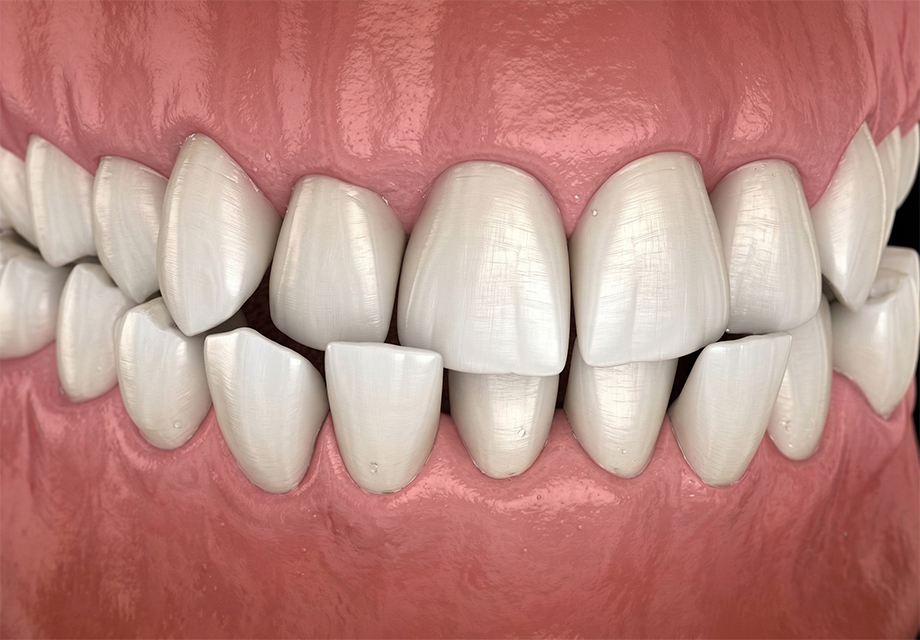
Many of us nowadays have undergone orthodontic treatments to either fix our smile, close gaps between teeth or to align our teeth perfectly. This is so we can reach the confident beautiful smile we’re all looking for. It can take months or even years of consistent dedication and care to finally reach that outcome. But then you might notice some time after treatment is done, that your smile can begin to feel off – A tooth looks slightly different, a tiny gap appears or a tooth starts to overlap the other. So naturally, you start to wonder: is something wrong with my teeth? Has the treatment failed? What’s happening to my smile?
You can stop doubting your orthodontic treatment here, because what is happening is that the teeth are trying to get back to their original position like “memory foam”. And it’s totally normal and really common, an average of 67 to 89% of people have at least some slight change in their teeth alignment in the long-term follow ups with their orthodontists. The good news? It is also very manageable especially if addressed early, and is called “Relapse”. [2]
How Do Teeth Actually Move?
To understand why sometimes teeth shift after orthodontic treatment, we need to grasp a deeper comprehension of how teeth move in our mouth. First of all, we have to stop thinking about teeth being fixed in the jaws like nails that are stuck in wood. Instead, think of a tooth as being suspended in a firm yet resilient cushion in a socket of bone. It holds the tooth in place firmly, but at the same time it allows for some very minor movements to keep the whole ecosystem functionally balanced and stable.
This is where dental orthodontics interferes to disrupt the balance with calculated forces that help teeth shift to desired positions to improve both aesthetics and function. Hence, after orthodontic treatments using either braces or clear aligners, a tooth tends to shift back to its original position as it is attached to a resilient elastic material (called fibers) which tends to stretch then contract again to its original position. [1]
So, it’s only natural and fairly common for teeth to be in a slow and steady continuous motion or mild loosening. It doesn’t mean that there is something wrong with the teeth, or that the treatment is not going well or that it didn’t work. It just means that the teeth are trying to regain their original position.
How Can I Tell If My Teeth Are Shifting?
- The "Floss Test" Change – This is often the very first sign before anything looks crooked. When flossing, you might notice that the floss suddenly "snaps" much harder between two specific teeth, or the exact opposite, it feels loose where it used to be tight. To read more about the types of floss and how to choose the best floss for you, you may check this blog.
- Bite Shifting – Your brain is incredibly sensitive to how your teeth align or bite together. You may feel like one specific tooth is hitting "sooner" than the others when you close your mouth signaling that something might have shifted.
- Documentation Pictures – Many of us don't notice relapse in the mirror because we see ourselves every day. However, if you look at a photo of yourself from a year ago and compare it to a selfie from today, you may notice the "arch" of your smile looks slightly narrower, or a shadow is appearing where there wasn't one before. That’s why it’s important to document your progress for yourself with clear photos to be able to track the progress as we see in social media.
- Food Traps – Suddenly, every time you eat you have a specific spot where food always gets stuck.
- Gaps – You find gaps that were previously closed in the treatment start to reappear.
- The "Tight" Retainer – This is the ultimate "smoke detector" for relapse. You skip one or two nights of wearing your retainer (to be explained further down in the blog), and when you put it back in, it feels like it's "squeezing" your teeth or causing a dull ache. If the retainer is tight, your teeth have already moved. If you have to "force" it on, they have moved significantly.
- The Lower Front Crooked teeth – Looking down at your bottom teeth in the mirror, you notice one of the middle four teeth looks like it's "diving" inward or "overlapping" its neighbor. This is the most common relapse area because the lower jaw is narrow and subject to constant lip pressure making these teeth the first to "collapse" without a retainer. [7]
Whenever you notice any of those signs, you should contact your orthodontist because the sooner the relapse is identified, the sooner it can be fixed and the cheaper and quicker the treatment. [3]
What Are Retainers?
We could all relate that after all the hard work, dedication and consistency throughout the orthodontic treatment, what we aim for is to finally enjoy the results of our treatment without needing to undergo anything further. Unfortunately, this can sometimes mean that we tend to ignore the phase post-treatment that helps keep our teeth in place. This appliance that helps hold the teeth in place once treatment is done is called “the retainer”. As we just learned, teeth will always try to get back to where they started, and there are several factors that affect teeth movement, the most common being not wearing retainers once treatment is complete. [5]
A retainer is a custom-made device designed to hold your teeth in their new correct position and to keep them from moving back to their original position.
Retainers are divided into two main categories: Fixed and Removable retainers. Fixed retainers are a specific orthodontic wire glued to the back of your front teeth to keep them in their position. As the name suggests, they are fixed and cannot be removed except by a clinician. Removable retainers however, could be removed on demand and depend on your consistent compliance to be effective. Therefore, they can be more convenient for oral hygiene measures. [4][7] A randomized controlled study suggests that fixed retainers may be more effective than VFRs (plastic retainers) in maintaining lower anterior alignment over the long term, although both options showed some degree of relapse and require good oral hygiene for optimal outcomes. [8]
Removable clear plastic retainers are similar to clear aligners and are customized to fit your teeth. Retainers require a new scan after your treatment is complete and are usually recommended by your treating dentist following orthodontic treatment to safeguard the results you have achieved together. To read more about the difference between retainers and clear aligners, you can check our blog here.
Most orthodontists in the past used to prescribe retainers 6 months - 2 years after orthodontic treatment is complete. But currently, modern dental science and research suggests that a retainer should be prescribed indefinitely i.e. you should wear your retainer for as long as you want your teeth to stay straight. For most people, this means every night, forever. [2][6]
How Can I Prevent Teeth From Moving After Braces?
The commitment to maintaining a straight smile extends far beyond the initial orthodontic treatment. Relapse – the natural tendency for teeth to shift back toward their original positions, is a genuine and constant risk. To protect the investment made in achieving alignment, it is paramount that you adhere to a consistent, long-term retention protocol.
- Initial Full-Time Wear. Immediately following the removal of braces or the end of aligner treatment, your orthodontist will prescribe a period of near-full-time retainer wear (typically 20-22 hours per day). This critical phase allows the bone, gum tissues, and fibers around the teeth to stabilize in their new positions.
- Transition to Nighttime Wear. Once the initial stability is achieved (usually after several months), the protocol will transition to solely nighttime wear. This nightly commitment is non-negotiable. While you sleep, the retainers counteract the minor shifting that occurs during the day, effectively locking the alignment in place.
- The Lifelong Commitment. The "forever" component is crucial. Unlike a broken bone that heals permanently, teeth are held in dynamic equilibrium. Skipping even a few nights can allow measurable shifting, making the retainers feel tight or, worse, preventing them from fitting altogether. This minor discomfort is a clear sign that relapse has begun. Consistent nightly wear is the most effective and least invasive method of prevention against significant relapse.
Conclusion
Relapse is a common concern for many patients after orthodontic treatment. Many patients probably fear this as they don’t want all their efforts and dedication during treatment to go to waste. Preventing this requires first understanding the reason that teeth want to gradually move back to their original position, and to implement healthy habits like daily proper dental hygiene, frequently following up with your orthodontist and consistently wearing your retainers post-treatment. This will help prevent relapse as much as possible.
Your teeth will always want to move, but you have the power to keep them still. Your orthodontic treatment doesn’t really end when the braces or aligners come off. It enters an ongoing “maintenance phase”. Think of your retainer as your insurance policy for your smile. Consistent use is the definitive strategy for ensuring that the beautiful, straight alignment you worked so hard to achieve is a permanent feature of your appearance. And remember, “wearing your retainers everyday, keeps the orthodontist away.”
FAQS
.svg)

References
Related Articles
Refinements Explained: The Final Touches to Your Smile

How to Choose Dental Floss: Best Picks for Every Patient

Aligners vs Retainers: All the Differences & Benefits
.svg)
© Eon Aligner Copyright 2023 All rights reserved


