
IPR & Attachments: Small Details That Help Your Aligners Work Better
Written By Bushra Maayah | BDS
When you start clear aligner treatment, you may expect the aligners to do all the work on their own. However, in many cases, your dentist may add a few small supporting steps to help your aligners fit better, move teeth more predictably, and keep your treatment progressing as planned. Two of the most common ones are performing IPR and adding attachments.
At first, these terms can sound a little intimidating. IPR or interproximal reduction may make patients wonder if their teeth are being “filed,” and attachments may raise concerns about how the teeth will look or feel. The good news is that both are commonly used in aligner treatment, carefully planned by your dentist, and designed to make tooth movement more controlled. In this blog, we will explain what IPR and attachments are, why they may be needed, what they feel like, and how they help your aligners work more effectively.
What is IPR?
IPR stands for interproximal reduction. It is a controlled orthodontic procedure where your dentist removes a very small amount of enamel, which is the outer protective layer of the tooth, from between selected teeth. This creates space that can help crowded teeth move more comfortably and predictably during aligner treatment [1, 2].
IPR can also help improve how teeth contact each other. In some cases, reshaping the contact area between teeth may help reduce the appearance of small dark spaces near the gumline, often called “black triangles,” especially when these spaces are related to tooth shape and contact-point position [3].
The amount removed is usually very small and is carefully planned by your dentist. IPR is not done randomly, and it should only be performed by a dental professional.
Does IPR Hurt?
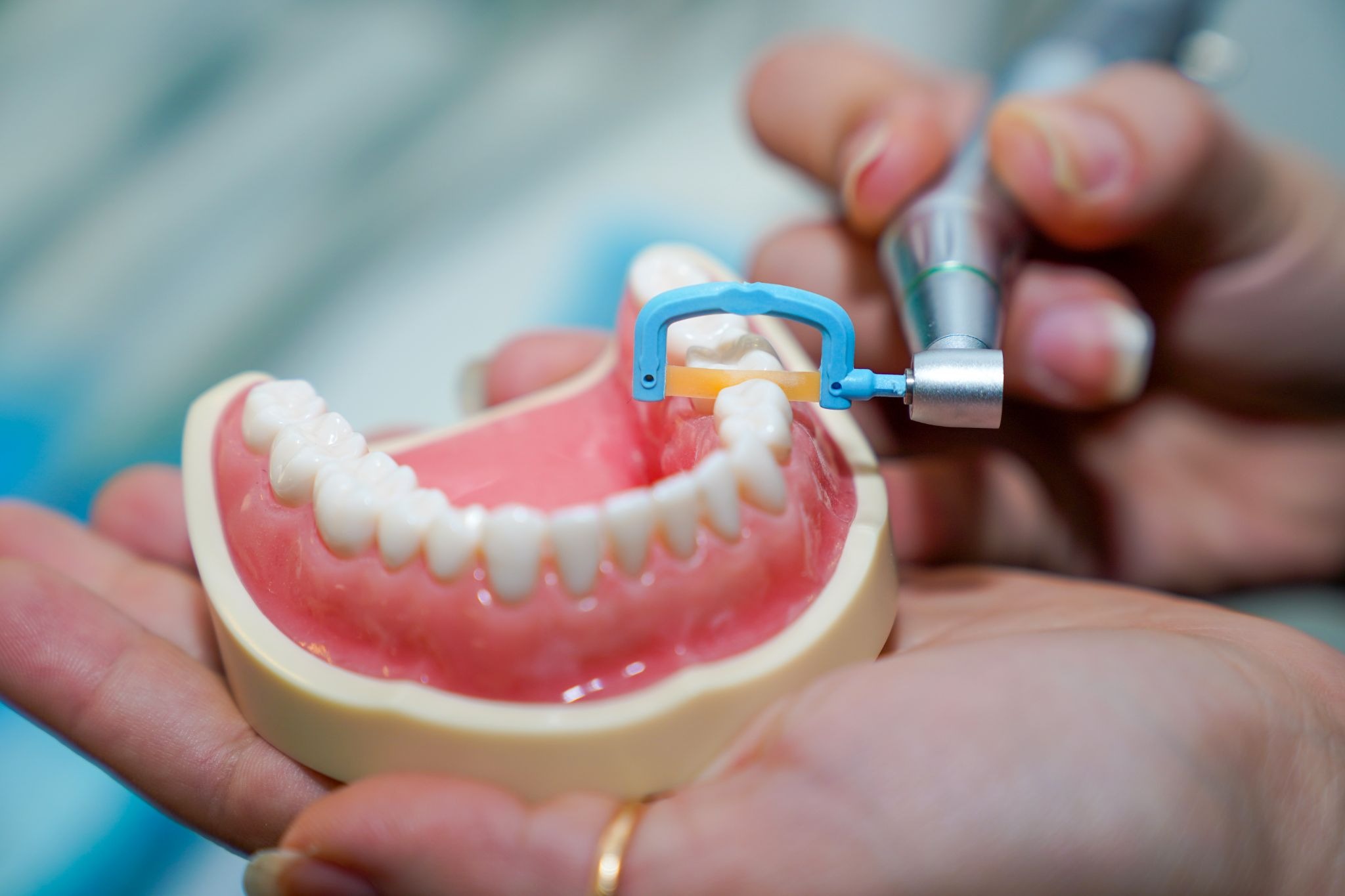
Most patients feel little to no pain during the IPR procedure. It is expected to feel some pressure, vibration, or a light sanding sensation between the teeth. Since only a small amount of enamel is reduced, anesthesia is usually not needed, but your dentist will decide what is best for your case. Some patients may feel mild temporary sensitivity afterwards, especially to cold drinks, but this usually settles with time.
Is IPR Safe?
When correctly planned and performed, IPR is considered an immensely useful and accepted orthodontic technique. Research has shown that IPR can be used to manage crowding and create space during orthodontic treatment. However, the accuracy of IPR matters. Studies on clear aligner treatment found that the amount of space actually created may not always perfectly match the amount planned digitally, which is why it should be checked carefully by the dentist [1,2].
A long-term study on dental health after interproximal enamel reduction found no evidence of increased caries risk in posterior teeth when IPR was performed using an appropriate protocol [3].
What Should I Do After IPR?
After IPR, you should maintain good oral hygiene and practices and follow your dentist’s instructions. Brushing your teeth twice a day, flossing daily, and wearing your aligners as instructed are important because the space created is meant to help your teeth move, not to trap food or plaque. Make sure to contact your dentist if you experience unusual pain, lasting sensitivity, gum irritation, or if something does not feel right.
What are Attachments?
Attachments are small tooth-colored fillings bonded to your teeth by the dentist using an attachment template. They are made from dental filling material called composite and are designed to help your aligners grip your teeth better and can also help act as handles for less predictable movements.
You can think of them as tiny handles that help the aligner apply forces in a more controlled way. They may be used for movements that need extra support, such as severe rotations, root control, extrusion, or more complex tooth movements [4].
Are Attachments Visible?
Attachments are usually tooth-colored, so they are not very noticeable. They may feel slightly raised at first, especially when you are not wearing your aligners, but most patients get used to them quickly.
Do Attachments Hurt?
Getting attachments placed is usually a painless process. Your dentist simply bonds small tooth-colored dental filling material onto the teeth and hardens them with a special curing light. Afterward, your aligners may feel a little tighter because the attachments help them grip the teeth more effectively and increase retention. This pressure is normal and usually becomes easier to tolerate after a few days.
Why are Attachments Important?
Clear aligners are removable and smooth, so they sometimes need attachments to create better grip and improve control. Reviews on clear aligner biomechanics describe attachments as important additions to aligner treatment that help aligners apply forces more effectively for certain types of tooth movement.
Attachments do not mean your treatment is more difficult or that something is wrong. They simply mean your aligners need extra support to move certain teeth more predictably.
Can I Eat Normally with Attachments?
Yes; Attachments stay on your teeth while you eat. Just remember to remove your aligners before eating or drinking anything other than water. After meals, brush your teeth before putting your aligners back in. This helps keep the areas around the attachments clean and reduces the risk of staining or plaque buildup.
What if an Attachment Falls Off?
The first thing is that you should not panic. Attachments may fall or fracture for multiple reasons and it is normal. However, you should contact your dentist and let them know. Depending on your treatment stage and the movement being planned, your dentist may decide to replace it. Do not try to glue it back yourself.
IPR & Attachments Work Together with Your Aligners
IPR and attachments are not separate from your treatment. They are part of the planning that helps your aligners work as intended.
- IPR creates the space needed for certain movements
- Attachments help your aligners grip better and control force in less predictable movements
- Wear time keeps the movement on track
Even if the aligners are removable, treatment success depends on wearing them as instructed, usually around 22 hours per day, unless your dentist tells you otherwise. Patient compliance is one of the key factors that affects clear aligner treatment outcomes.
Key Takeaway
IPR and attachments may sound like big steps, but they are commonly used tools in clear aligner treatment. They help your dentist create space, improve control, and guide your teeth more predictably.
The most important things you can do are simple:
- Wear your aligners as instructed
- Keep your teeth and aligners clean
- Attend your appointments
- Contact your dentist if something feels loose, sharp, painful, or unusual
Small details like IPR and attachments can make a big difference in helping your aligners do their job.
FAQS
.svg)

References
Related Articles

Clear Aligners During Pregnancy: What Expectant Mothers Should Know

How to Choose Dental Floss: Best Picks for Every Patient
.webp)
Clear Aligners Treatment: How Long Do Aligners Take To Work?
.svg)
© Eon Aligner Copyright 2023 All rights reserved


